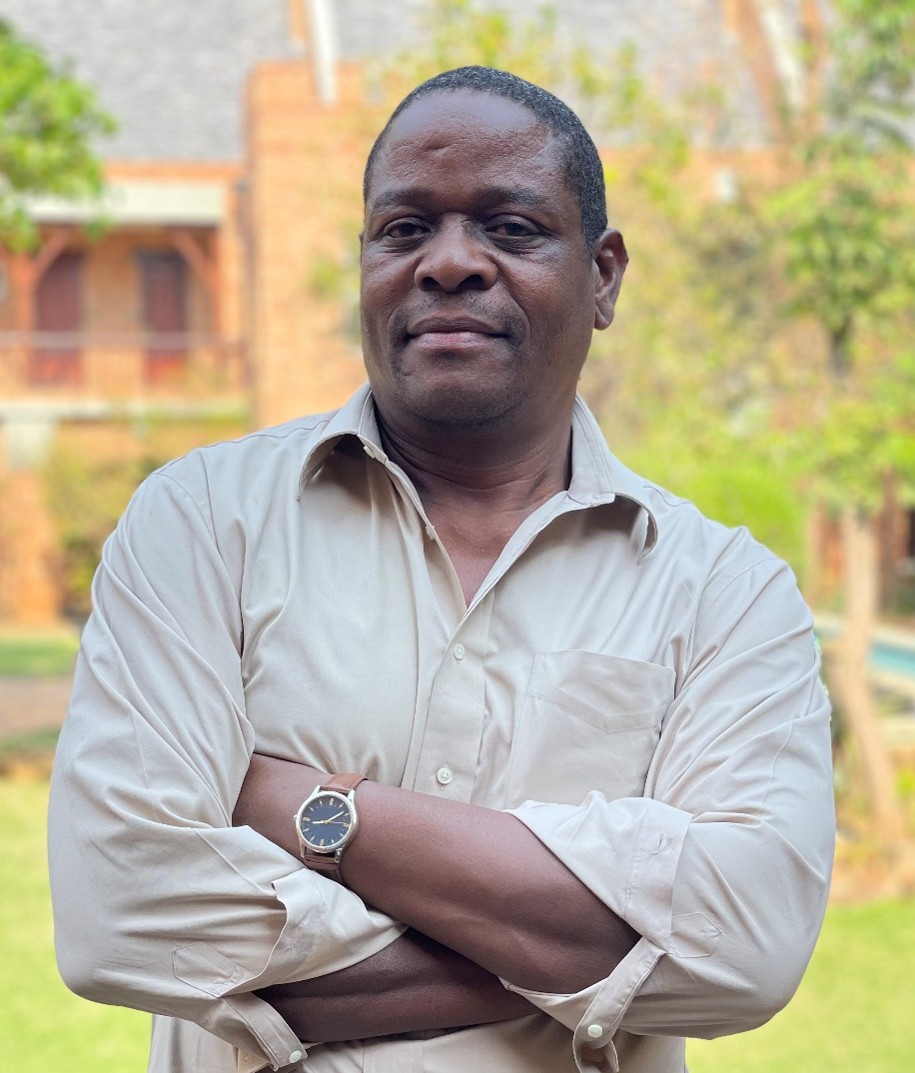

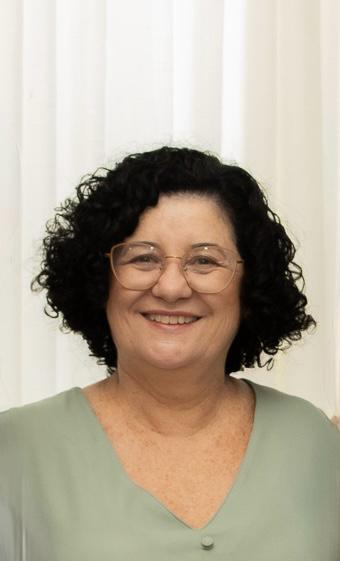
Vanessa Tomaz

Mathematics Education

Vanessa Tomaz is a Professor at the Faculty of Education at the Universidade Federal de Minas Gerais (UFMG), Brazil. She is a member of the Cultural Historical Activity Theory in Educational Research Group (CHATER) and leader of the Grupo de Estudos e Pesquisas em Educação Escolar Intercultural Indígena (GEPEEI), where Indigenous and non-Indigenous researchers collaborate on studies related to learning and Indigenous school education. Her work emphasizes methodologies grounded in Indigenous epistemologies and intercultural education on the intersection of learning, development, culture, and society, as well as on supporting educators in adopting culturally responsive teaching practices.

I am honored to be part of ISCAR 2027 and to contribute to the dialogue on education, culture, and human development. I hope this event fosters meaningful exchanges that support more inclusive and culturally responsive educational practices.
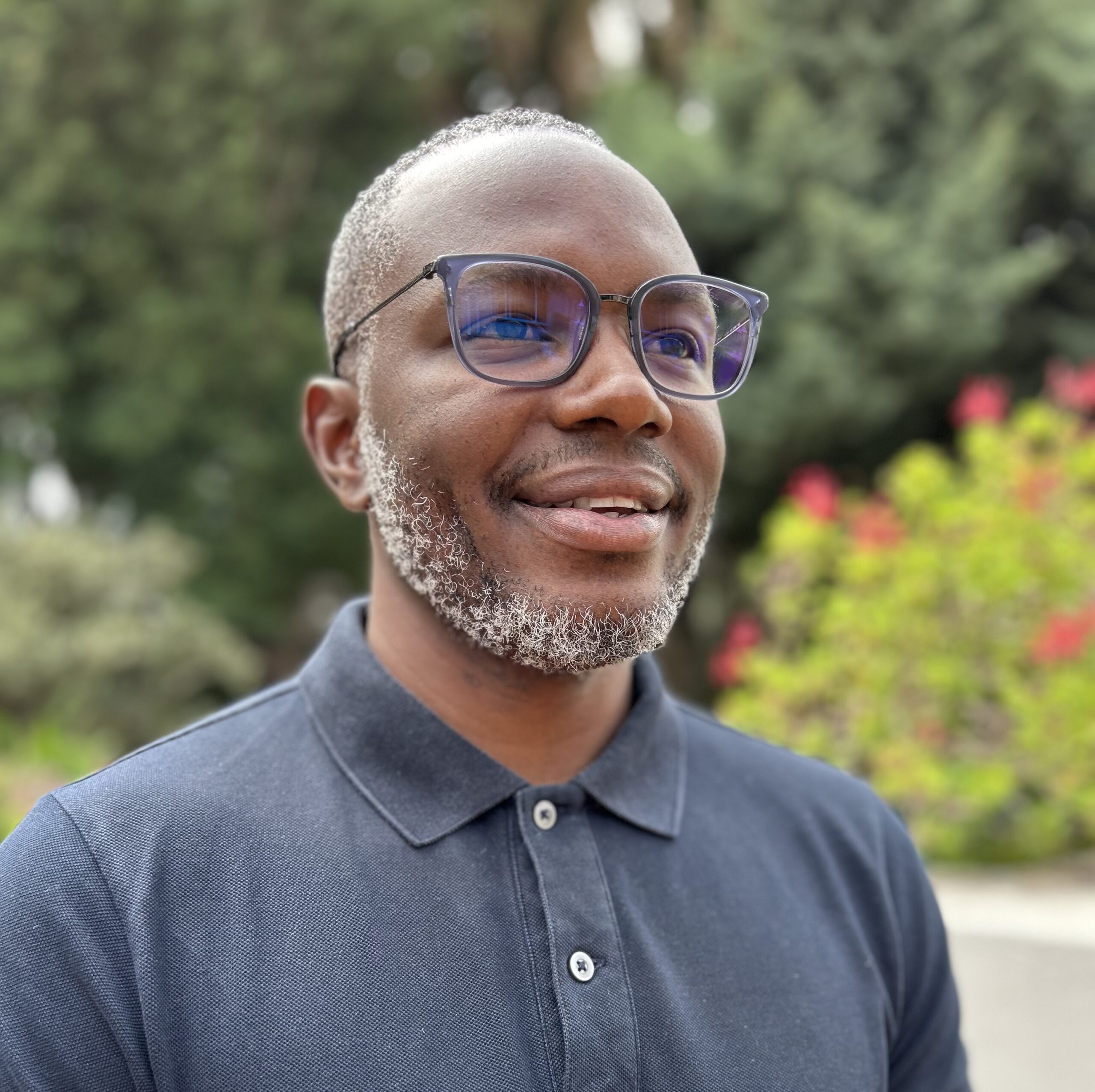
Dr Reuben Thifhulufhelwi

Sustainability Education Practitioner

Dr Reuben Thifhulufhelwi is a sustainability education practitioner with 15 years of experience. His research work is grounded in transformative learning and Cultural Historic Activity Theory, with strong focus in expanding the CHAT tools in navigating sustainability challenges in African contexts. Dr Reuben has strong competencies in working across the nexus of educational theory and practice through leading impactful programmes in Natural Resource Management sector including biodiversity stewardship, catchment management, climate change adaptation and capacity building and training initiatives.

As a seasoned CHAT scholar, I will share with ISCAR the key insights drawing on my recent PhD work in pursuing fourth generation CHAT in African contexts. Africa has a unique contributions to the global scholarship in Cultural Historic Activity theory, especially in advancing the transformative learning research tools for navigating our ethical-political sustainability challenges, which are largely driven by the deep-seated historical disempowerment of local people’s agency and their governance structures. from my PhD work on collective governance of Natural Resource Management, I have led a 10-years longitudinal expansive learning process with multiple actors to collectively address complex power-dynamic contradictions. I have demonstrated we can apply fourth generation CHAT to co-develop tools for re-surfacing the emancipatory transformative agency and the re-imagining of ethical-political intentions in navigating sustainability challenges

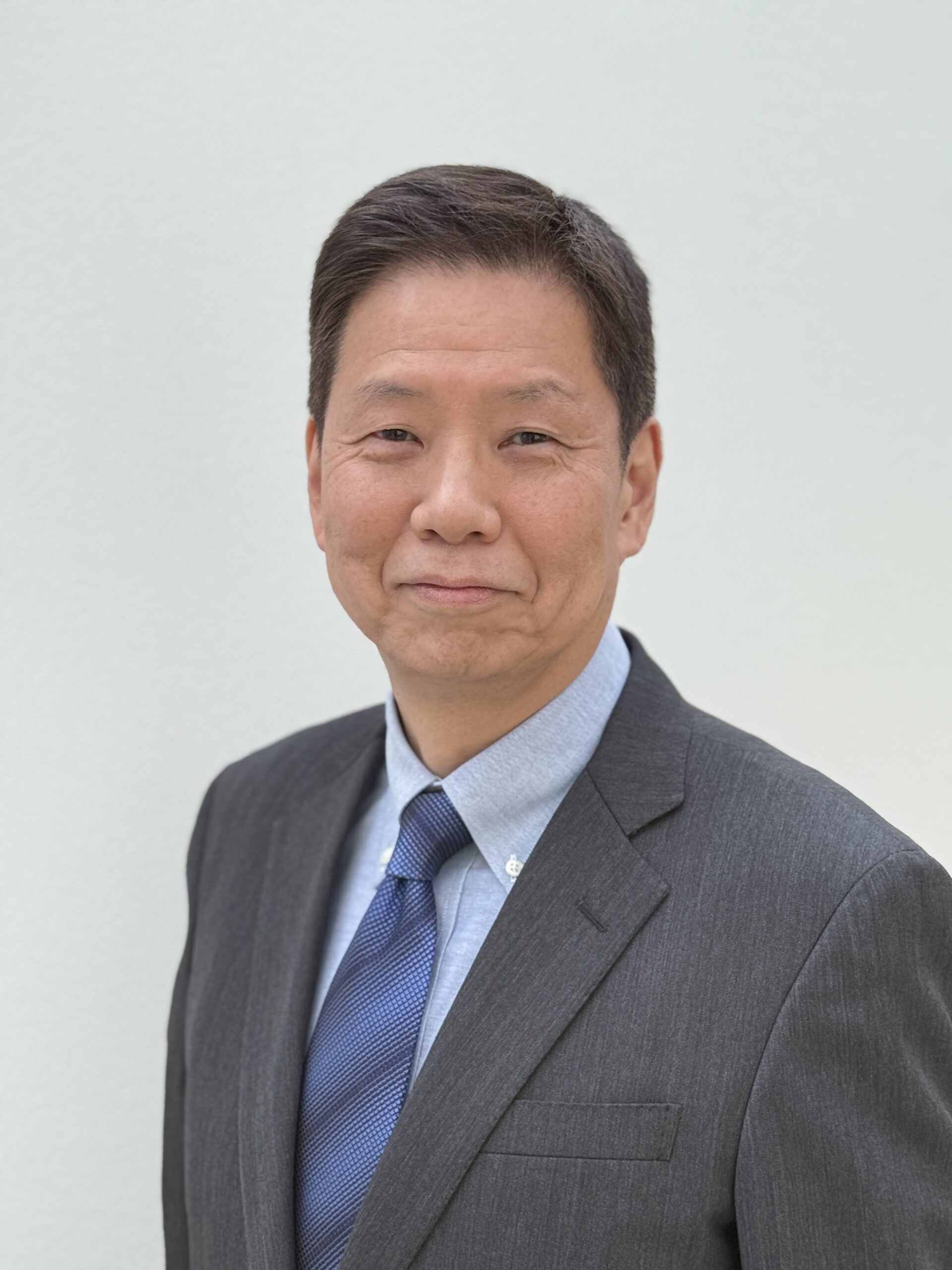
Katsuhiro Yamazumi

Professor of Education at Kansai University, Japan

Katsuhiro Yamazumi, PhD, is Professor of Education at Kansai University, Japan. Drawing on the framework of cultural-historical activity theory and its interventionist methodology, he studies historically new forms of educational activities as collaborative interventions in expanding learning so that learners and practitioners can collectively transform their activities and expand their agency. In particular, his recent research has focused on empirically exploring the processes of school transformation in Japanese schools through the implementation of the Change Laboratory, a concrete method of formative intervention grounded in activity theory, with special attention paid to the generation of expansive learning and transformative agency among teachers, students, and other participants involved in the process. His recent book Activity Theory and Collaborative Intervention in Education: Expanding Learning in Japanese Schools and Communities was published by Routledge in 2021. He received the European Group for Organizational Studies (EGOS) “That’s Interesting!” Award 2013.

I warmly celebrate ISCAR 2027 in Cape Town, South Africa, the first ISCAR Congress to be held on African soil, as a historic milestone in ISCAR’s development. At a time when global crises of humanity and survival are deepening, the significance of ISCAR as an international scholarly community and research platform continues to grow, as its research movement explores how collective creative activity can enable people to change themselves as they change their circumstances, thereby helping to make the world better. I look forward to contributing to ISCAR 2027 by sharing findings from interventionist research in Japan on building community-based coalitions for learning to address societal challenges from the perspective of fourth-generation cultural-historical activity theory.

Nick Hopwood

Professor at University of Technology Sydney

Nick is Professor of Professional Learning at UTS Institute for Education, and Director of the Centre for Research on Education in a Digital Society (see CREDS UTS page, and CREDS website).

Nick’s research is grounded in the discipline of education, applied in diverse contexts including schools, families and health services. He explores how learning, agency and transformation inter-relate. He teaches in postgraduate coursework Masters of Education (Learning & Leadership), as well as contributing to research education and researcher development across UTS. Nick is an active mentor of early and mid career colleagues, and is a member of the Researching Work and Learning (RWL) international advisory committee. He co-edits Studies in Continuing Education, is on the editorial board for Mind, Culture & Activity, and is co-lead (with Brett Bligh [Lancaster] and Maria Spante [Trollhättan] of the ISCAR thematic section on Commoning for Vital Objects.

Nick was awarded an Honorary Doctor of Medicine from the University of Linköping (Sweden) in 2019, and has been appointed as Extraordinary Professor at the University of Stellenbosch since 2016.


Nick Hopwood

DR CHARLES CHIKUNDA

Education and sustainability researcher-practitioner


Dr Charles Chikunda is an education and sustainability researcher-practitioner working at the intersection of Cultural-Historical Activity Theory (CHAT) and Education for Sustainable Development (ESD). His work applies CHAT as an analytical and methodological framework to examine learning, agency, and systemic transformation within complex educational contexts.
He has contributed to regional and international initiatives across Southern Africa, collaborating with universities, ministries of education, and development partners to advance curriculum innovation, teacher professional development, natural resources management and policy processes. His research interests include expansive learning, the role of contradictions in driving change, and the integration of indigenous knowledge systems within transformative education.
Charles’s work is particularly concerned with theoretically grounded, practice-oriented approaches that support contextually relevant and socially responsive educational change.

I look forward to ISCAR 2027 as a space for critical dialogue and collaboration, and I am excited to contribute to conversations on expansive learning, systemic change, and advancing CHAT-informed approaches to education and social transformation, particularly within Southern African and Global South contexts.